Investing in a block machine and building an overseas block production plant involves far more than simply placing an order. Many first-time overseas investors encounter unexpected troubles: improper container loading causing equipment deformation, incomplete documentation leading to customs clearance delays, missing foundation drawings, insufficient auxiliary facilities, and unplanned downtime after machine arrival. These mistakes trigger extra costs, postponed plant opening, and lost local construction orders.
This complete 2026 guide covers the whole workflow from order confirmation, container packaging, ocean freight, customs clearance, on-site installation, commissioning, all the way to formal production. It is designed for two types of audiences: new investors who plan to build a brand-new overseas block factory, and existing plant operators intending to import new production lines or expand workshop capacity. We also attach a practical overseas plant setup checklist you can save and use directly. By following standardized shipping and installation procedures, you can eliminate hidden risks, shorten the whole project cycle, and put your block machine into profitable operation as quickly as possible.
1. Pre-Shipment Preparation: Avoid Risks Before Equipment Leaves the Factory
Many overseas project problems originate from insufficient preparation at the early stage. Before block machine packaging and delivery, complete the following key tasks.
1.1 Confirm Exact Workshop & Foundation Technical Drawings
The block machine cannot run stably without a standardized concrete foundation. Professional suppliers should provide dimension drawings, foundation load requirements, reserved hole positions for wiring and drainage, and space layout for curing yards, aggregate storage areas and pallet stacking zones.
Start foundation construction while equipment is in production and shipping transit. If you begin civil work only after machines arrive, you will face weeks of unnecessary waiting.
1.2 Finalize Container Loading Scheme
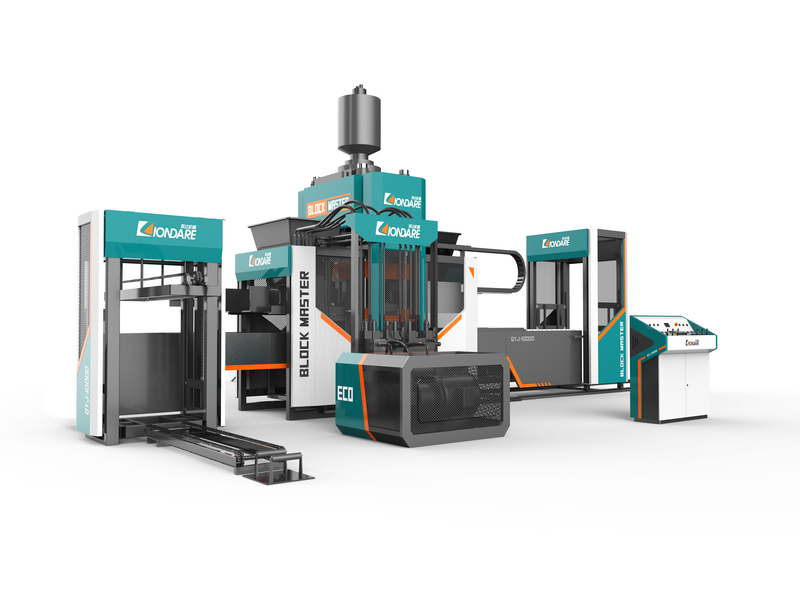
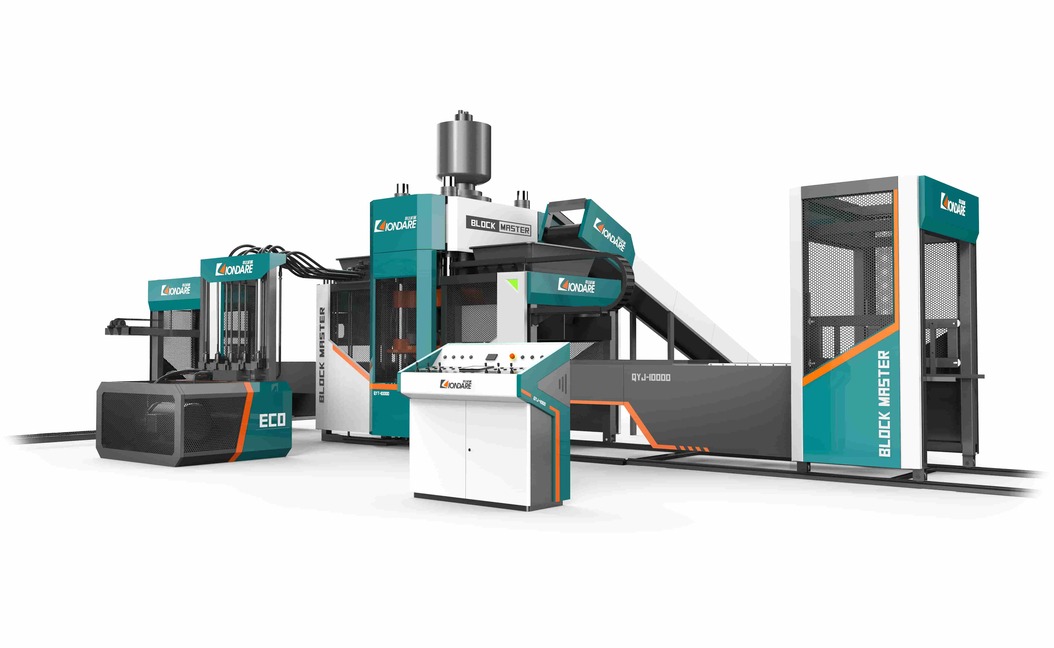
Block machines include main forming host, mixer, batching system, conveyors, molds, pallets and spare parts. Different production lines require different container combinations (20GP / 40GP / 40HQ).
Heavy frame components are placed at the bottom for balance
Loose small accessories, bolts, sealing parts and tools are packed in separate labeled boxes to prevent loss
Confirm container quantity and loading list in advance to avoid missing components after arrival at destination port.
1.3 Prepare Full Set Customs Clearance Documents
For international machinery import, incomplete paperwork will result in port detention and heavy demurrage fees. Standard documents include commercial invoice, packing list, bill of lading, CE certificate, ISO certification, machine specification list.
Reminder: Some countries require additional import permits, product origin certificates or environmental inspection documents. Confirm local import policy with your freight forwarder or supplier in advance.
1.4 Confirm Standard Spare Parts Package
Ocean shipping and customs clearance take several weeks. Do not wait until equipment breaks down to order spare parts from abroad. Prepare core wearing parts: vibration motors, hydraulic seals, mold liners, belts and bearings to support initial trial production.
2. International Shipping Stage: Key Control Points During Transit
2.1 Reasonable Freight Term Negotiation
Clarify trade terms: FOB, CFR or CIF. Confirm who takes charge of inland transport, container loading, ocean freight, port of destination handling charges. Many new buyers underestimate local port fees, storage fees and trucking costs from port to workshop. All expenses should be written clearly in the sales contract.
2.2 Cargo Insurance Arrangement
Purchase marine cargo insurance covering collision, rainwater damage and rough handling. Although manufacturers use reinforced packaging, long-distance sea transport faces unpredictable risks. Insurance effectively avoids huge losses if equipment gets damaged.
2.3 Track Shipment Schedule Continuously
Get container number and vessel schedule once loading is finished. Arrange on-site installation engineers’ travel plan according to estimated arrival time. Reasonable manpower scheduling ensures engineers arrive at your site around the same time the equipment reaches your factory.
3. Destination Port Customs Clearance & Local Transportation
3.1 Arrange Customs Broker In Advance
Hire a reliable local customs broker familiar with construction machinery import. They speed up document review, avoid classification disputes for block making equipment, and help handle official inspections.
3.2 Organize Internal Transport From Port To Workshop
Block machine frames are oversized and heavy. Confirm road weight limits, bridge restrictions and unloading equipment (crane or forklift) at your factory. Unloading must follow professional guidance to prevent tilting and frame deformation.
4. On-Site Installation, Assembly & Commissioning Standard Process
After all equipment arrives at the workshop, follow this standardized installation sequence:
Site acceptance: Check all containers, compare actual goods against packing list; record missing or damaged components immediately and take photos for claims.
Main unit positioning: Place block machine on pre-built concrete foundation, use level gauge to calibrate horizontal balance. Unbalanced installation causes strong vibration, abnormal noise and shortens machine service life.
Assemble auxiliary equipment: Mixer, aggregate conveyor, automatic batching system, pallet transport tracks. Connect hydraulic pipelines, electrical wiring and lubrication system strictly according to circuit diagrams.
Mechanical inspection: Tighten all bolts, fill hydraulic oil and lubricating grease, test each motor under no-load status.
No-load trial operation: Run machine empty for 2–4 hours to check vibration system, hydraulic pressure and control program.
Material test production: Prepare raw aggregates, cement and water, carry out trial block forming. Adjust vibration time, pressing pressure and mixing formula until finished blocks meet target strength and dimension standards.
Operation training: Train local technicians on machine operation, daily lubrication, simple troubleshooting, mold replacement and regular maintenance.
5. Critical Issues That Delay Overseas Plant Commissioning
We summarize the most frequent mistakes from thousands of overseas block machine projects:
Delayed civil foundation construction, workshop unfinished when equipment arrives
Unstable industrial power supply, lacking matched transformer and voltage regulation
Insufficient curing yard space, unable to stack finished blocks
Missing pallets, resulting in inability to carry out continuous production
No professional local operator, relying only on temporary workers
Ignoring drainage and dust control, failing local environmental inspection
Inadequate spare parts stock; minor failures suspend the whole production line
6. Complete Overseas Block Plant Setup Checklist (Save For Reference)
Before Machine Shipment
✅ Confirm workshop layout drawing and foundation construction drawing
✅ Confirm power supply standard, voltage and frequency
✅ Finalize container loading list and container quantity
✅ Complete all customs clearance certification documents
✅ Confirm spare parts package and installation tool set
✅ Confirm vessel schedule and engineer travel plan
✅ Purchase marine cargo insurance
After Equipment Arrival
✅ Check all packages for damage before unloading
✅ Compare all goods with packing list
✅ Prepare crane / forklift for unloading
✅ Complete machine horizontal positioning on foundation
✅ Finish hydraulic pipeline and electric wiring assembly
✅ Perform no-load test run
✅ Carry out trial production with local raw materials
✅ Record block quality data and optimize production formula
✅ Train local operation & maintenance team
✅ Sign acceptance document after stable mass production
7. Tips For Buyers Choosing Suppliers With Global Installation Service
Not all block machine manufacturers can provide reliable overseas installation support. When selecting your supplier, verify these service capabilities:
Whether the factory has experienced overseas installation engineers with international travel experience
Clear installation cycle and service charge standard
Remote video technical support after engineers leave your factory
Global spare parts delivery channel with reasonable lead time
Long-term formula guidance for local recycled raw materials
Trading companies often lack field engineers. If you choose a supplier without on-site installation service, you will face great assembly difficulties and long trial-production cycles. Working with direct manufacturers with worldwide installation teams greatly reduces your overseas project risks.
Final Conclusion & CTA
For overseas entrepreneurs building a block manufacturing plant, smooth shipping, safe delivery and standardized installation directly decide when you can start selling blocks and recover investment. Every stage from pre-shipment civil planning to post-installation staff training cannot be ignored. Small oversights may turn into costly delays and lost market opportunities.
As a professional global block machine manufacturer, we provide full one-stop service: plant layout design, foundation technical drawings, standardized container packaging, complete customs document support, overseas on-site installation, commissioning and operator training. Our engineering team has rich experience serving block factory projects across Africa, Southeast Asia, the Middle East, Latin America and Eastern Europe.
Contact our project team now to receive customized overseas plant planning service, detailed shipping plan and installation schedule matching your target production capacity.
Если вы заинтересованы в нашей продукции и хотите узнать более подробную информацию, пожалуйста, оставьте сообщение здесь, мы ответим вам, как только сможем.



 One kilometer away from the exit of Nanshi Expressway in Rongqiao Project Concentration Area, Nan'an City
 Электронная почта
: admin01@liandamachine.com
Электронная почта
: admin01@liandamachine.com


 Поддерживается сеть IPv6